.svg)
December 7, 2025
Written by Mat Nelson
Table of Contents
1. Start with Local Business Profiles
Understanding the Google 3-Pack
Strategies for Optimizing Your Business Profile
NAP Consistency
Engage with Your Customers
Utilizing GBP Posts, Q&A, and Photos
2. Setup Social Media Company Pages
Social Signals and SEO
Indirect SEO Benefits of Social Profiles
Best Practices for Maximizing Social Impact
Maintain Profiles with NAP Consistency
Engage Authentically and Consistently
Showcase Visual Expertise
Cross-Promote Local Content
3. Create Geo-Modified Web Pages
Objectives of Geo-Modified Pages
Deep Content Strategy for Geo-Pages
On-Page Elements
Building Trust in Your Local Market
Optimizing Content for AI Overviews
4. Final Thoughts & Recap
Table of Contents
1. Content SEO: Depth is the New Keyword
What is Content SEO and How Does it Help Generative AI?
How to Drive Engagement When AI Provides an Instant Answer?
2. Semantic SEO: Speaking the Language of User Intent
How to Structure Content for Semantic Relevance?
3. Technical SEO: Helping Search Understand Your Website
Technical Tactics to Enhance Crawlability and AI Readiness
4. Backlinks That Matter: Building Authority and Credibility
The Impact of Valuable Backlinks on Generative Search
The Danger of Toxic Backlinks and How to Manage Them
5. Final Thoughts: Positioning Your Business for the New Way Users Search
Table of Contents
1. Understand the Services You Are Selling
2. Strategically Outsource Specialized Work
3. Rise Above the Competition with These Tactics:
Get Knowledge and Improve Credibility
Stay Informed on Digital Marketing Trends
Choose the Right White-Label Partner
Provide Solutions, Not Problems
4. Final Thoughts
Table of Contents
1. How Perplexity AI Works?
Advantages of Perplexity AI
Drawbacks of Perplexity AI
2. The Role Perplexity Ads Will Play in Search
How Can Advertisers and Publishers Utilize Perplexity Ads?
Informational vs. Commercial Intent
A New Business Model: From CPC to CPM
3. How to Prepare for Generative Search in 2026?
4. Final Thoughts
Table of Contents
1. The Disruption of AI-Powered Search
2. What is Search Generative Experience (SGE)?
3. How to Master Generative Engine Optimization (GEO)?
Key GEO Principles:
Content Quality and Depth
Contextual Relevance
Multi-Format Optimization
User Intent Alignment
4. How to Adapt to the New Google SGE?
5. Final Thoughts
Table of Contents
1. Search User Intent in Google Ads
The Four Types of Search User Intent
Informational Intent
Navigational Intent
Commercial Intent
Transactional Intent
2. How to Optimize Campaigns Based on User Intent?
Create Intent-Focused Ad Groups
Informational Ad Groups
Commercial Ad Groups
Transactional Ad Groups
3. Get Higher Quality Scores by Targeting User Intent
4. Final Thoughts
Table of Contents
1. What is White Label PPC Services?
2. What Are the Benefits of White Labeling PPC for Your Agency?
3. How to Select the Right White Label PPC Partner?
4. How to Integrate White Label PPC Services into Your Agency's Process?
5. Why Expand Your Offerings With White Label PPC Services?
6. How to Overcome White Label PPC Partner Challenges?
7. How to Measure Success of Your White Label Partnership?
8. Final Thoughts
Table of Contents
1. Google Ads Click Fraud and Its Impact
What is Google Ads Click Fraud?
3 Key Sources of Click Fraud
What Impact Does Click Fraud Have on Your Business?
2. How to Identify Click Fraud in Your Campaigns?
Monitor for Suspicious Patterns
Use Click Fraud Detection Tools
3. How to Prevent Google Ads Click Fraud?
Three Fraud Prevention Techniques
Real-Time Detection and Filtering (Automation Tools)
Manually Protect Yourself from Click Fraud (Without Automation Tools)
Ongoing Auditing and Optimization
4. Final Thoughts
New search technologies like ChatGPT and Perplexity AI are rapidly transforming the Search market. These generative search engines not only will compete with Google; they represent a shift in how users search for information online. By offering concise, AI-generated responses tailored to individual queries, generative search significantly enhances the user experience by providing more personalized and relevant answers.
For advertisers, publishers, and businesses, this disruption in the SEM (Search Engine Marketing) industry presents both challenges and opportunities. Understanding these implications is crucial for maintaining and improving visibility. This article delves into how Perplexity's generative search engine functions, explores its advantages and disadvantages, and examines what the introduction of Perplexity Ads could mean for the future of online advertising and organic search rankings.
How Perplexity AI Works?
Perplexity's generative search engine is powered by an advanced AI that delivers complete and informative answers directly to user queries. Unlike traditional search engines, which just provide a list of links, this innovative technology—often called an "agent"—offers conversational, direct answers. This streamlined approach is highly valuable for users seeking quick, actionable insights or brief summaries without the necessity of navigating through multiple web pages.
Advantages of Perplexity AI:
- Time-saving for users: One significant advantage is that it enhances efficiency by providing instant answers to inquiries. This eliminates the need for users to navigate through countless search results, thereby streamlining the process and allowing individuals to quickly find the information they need.
- Enhanced user experience: By taking complex subjects and breaking them down into simpler, more digestible formats, generative search creates a user-friendly experience. This makes it easier for individuals to understand intricate topics without feeling overwhelmed by jargon or unnecessary details.
- Ability to discover unique content: Another key benefit of generative search is its capability to reveal insights from lesser-known or niche sources that may not achieve high rankings in traditional search engines. This offers users the opportunity to access valuable information that might otherwise remain hidden.
Drawbacks of Perplexity AI:
- Reduced interaction with original sources: A potential downside is the limited engagement users have with the original sources of information. Although the AI typically cites these sources and includes relevant links, there might be instances where certain claims are made without any source citation, which can leave users uncertain about the credibility of the information.
- Potential for bias in responses: The reliability of the answers generated by the AI heavily depends on the quality and variety of the data it has been trained on. If the information available is biased or lacks diversity, the responses may reflect those issues. Furthermore, the way users phrase their queries can influence the information presented, as the AI learns from user interactions and adapts to various tones, languages, and types of information requested.
- Concerns for SEO: One major challenge that publishers may face is the difficulty in obtaining organic visibility for their content if it is not prioritized within the outputs of generative search. This could potentially result in decreased traffic and engagement on their websites, making it a must for content creators to adapt their strategies in response to these new Search technologies.
The Role Perplexity Ads Will Play in Search
As Perplexity gradually begins to implement and launch its innovative advertising platform, the way that advertisers and publishers manage their approach to gaining visibility in the search marketplace may experience a disruption. Businesses that have typically relied on organic rankings to secure their presence in search results may find themselves increasingly drawn to the option of utilizing Perplexity Ads, as this could provide a more reliable means of ensuring that their content reaches their target audiences within the generative search environment.
How Can Advertisers and Publishers Utilize Perplexity Ads?
The introduction of Perplexity Ads could serve as a gateway to new opportunities, particularly for affiliate publishers and businesses that have encountered challenges in achieving favorable organic rankings. For example, consider the following scenarios:
- Affiliate Publishers: Affiliate marketers can strategically position advertisements related to informative content, such as "Top 10 kitchen gadgets," in order to enhance their visibility within search results where their organic rank may be low or insufficient. This approach could be particularly beneficial for publishers who specialize in niche markets and produce high-quality content, as it allows them to better capitalize on the intent of users searching for specific information.
- Local Service Companies: Generative search ads could also provide valuable assistance to local service businesses in their efforts to improve their rankings for particular search queries. For instance, a plumbing company might focus its advertisements on searches like "how to prevent pipes from freezing in the winter," or a roofing company could promote ads that target the query, "how a new roof can add value to your home." These specific searches reflect a clear informational intent from users and align seamlessly with the services offered by local providers.
Informational vs. Commercial Intent
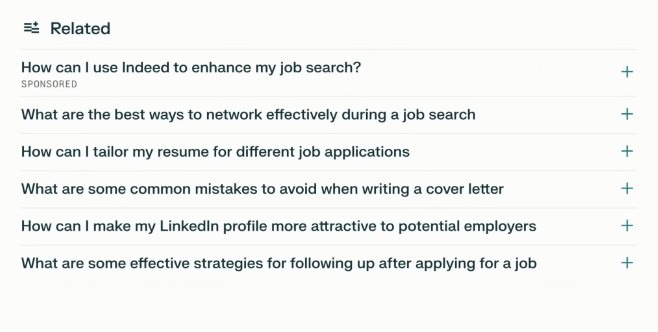
Generative search is likely to be exceptionally well-suited for targeting users with informational intent, who are actively seeking answers or valuable advice on various topics. However, when it comes to users demonstrating commercial intent—those who are prepared to purchase a product or service—it is still uncertain how well Perplexity Ads will perform in comparison to established platforms like Google or Amazon. Nevertheless, if market dynamics begin to favor generative search engines, businesses may need to adapt their strategies accordingly.
A New Business Model: From CPC to CPM
One significant challenge that advertisers may face is the transition that Perplexity is adopting from a CPC (cost per click) model, which has been the traditional benchmark in search advertising, to a CPM (cost per thousand impressions) model. This shift to CPM pricing could potentially result in higher costs for advertisers, especially if Perplexity emerges as a major player within the generative search arena.
How to Prepare for Generative Search in 2026?
As we move forward into the year 2026, it is important to recognize that while Google and Amazon continue to hold their positions as the leading search engines, businesses must proactively prepare for the anticipated transition toward generative search technology. This shift could significantly change how users interact with search engines and how information is retrieved. To help ensure that you and your business are well-prepared for this evolving search paradigm, consider the following suggestions that can assist you in staying ahead of the competition and improving your organic rankings:
- Stay Informed: Continue to educate yourself about the latest trends and developments in search technologies. Take the time to read informative articles, research studies, and white papers that explore the nuances of generative search. Additionally, spend some time exploring innovative platforms such as Perplexity, You.com, and ChatGPT. These platforms can provide valuable insights into how generative search is developing and how it may affect your business in the future.
- Think Strategically: Allocate regular time to thoughtfully consider how generative search could be leveraged to create value for your business or your clients. For those involved in affiliate marketing or publishing, this may involve developing content that is specifically designed to cater to informational queries that align seamlessly with user intent. By understanding the specific needs of your target audience, you can create content that not only meets those needs but also enhances your overall search visibility.
- Be Selective: It is important to approach generative search with a discerning mindset. If the technology does not resonate with the preferences of your audience or align with your overall business objectives, it may not be the right fit for you. Instead, concentrate your efforts on platforms and strategies that best fulfill your goals. By being selective and strategic about your approach, you can invest your resources wisely to maximize impact.
- Subscribe to Insights: Stay ahead! Consider subscribing to insightful newsletters which focus on the latest trends and advancements in generative search technology.
Key Takeaways
- Generative Search - The Market Disruptor:
- Generative AI (like Perplexity) is shifting the search market by offering concise, AI-generated, conversational answers directly to user queries, instead of just a list of links.
- This enhances the user experience by saving time and simplifying complex subjects, but also creates a major challenge for traditional SEO.
- Challenges for Publishers and SEO:
- The primary drawback is reduced interaction with original sources, meaning a potential decrease in organic traffic and engagement for publishers, especially for simple informational queries ("zero-click" environment).
- SEO is shifting from optimizing for ranking links to optimizing for answers (Generative Engine Optimization or GEO).
- The Rise of Perplexity Ads:
- Perplexity Ads are anticipated to become a crucial avenue for advertisers and publishers to ensure their content reaches target audiences, particularly for those who struggle with organic visibility.
- They are well-suited for targeting users with informational intent (seeking answers/advice), which can benefit businesses like Affiliate Publishers and Local Service Companies by aligning ads with how-to queries.
- Major Shift in Ad Pricing Model (CPC to CPM):
- Perplexity is adopting a CPM (Cost Per Thousand Impressions) model, moving away from the traditional search benchmark of CPC (Cost Per Click).
- This transition could potentially result in higher costs for advertisers as generative search engines gain influence.
- How Businesses Can Prepare:
- Stay Informed: Continuously educate yourself on new search trends like Perplexity, You.com, and ChatGPT.
- Optimize for AI Overviews: Content must be structured so AI models can easily read, understand, and cite it. Key tactics include:
- Adopting the "BLUF" (Bottom Line Up Front) method by starting sections with a direct summary.
- Using question-based headings (H2s, H3s) as full questions.
- Demonstrating E-E-A-T (Experience, Expertise, Authoritativeness, and Trustworthiness) to build credibility.
Final Thoughts
Generative search engines, such as Perplexity, present a unique opportunity to disrupt search advertising. Although it is unlikely that we will witness an abrupt or drastic departure from dominant players like Google and Amazon during the year 2026, it is evident that emerging platforms like Perplexity will start to take on a more influential role as time progresses. In order for businesses and publishers to successfully navigate these “turbulent waters”, it is crucial that they remain well-informed about industry trends, be willing to experiment with innovative strategies, and approach new opportunities with an open and adaptable mindset.
Looking to update or begin your Generative SEO strategy? Let's partner—I'd be happy to help!
FAQs
Frequently Asked Questions related to Local SEO
What is Local SEO?
Local SEO (Local Search Engine Optimization) is a specialized marketing strategy focused on making a business more visible in local search results on Google and other search engines.The primary goal is to connect businesses with potential customers who are searching for their specific products or services in a particular geographic area. For example, when someone searches for "pizza near me," "plumber in [City]," or "best coffee shop [Neighborhood]," Local SEO is what helps a relevant local business appear at the top of those results.
Why is Local SEO Important?
Simply put, Local SEO is important because it is the single most effective way to connect with customers who are in your area and actively looking to buy what you sell.
Your potential customers are on their phones searching for an immediate solution. Local SEO ensures you are that solution. Here are the key reasons why it is important for local business.
1. It Reaches Customers with High Purchase Intent: Local searches are fundamentally different from broad searches. A person searching for "pizza near me" or "emergency plumber in [Your City]" isn't just doing research—they have an immediate need and are ready to make a purchase.
Fact: 88% of people who conduct a local search visit a related business within 24 hours.
Local SEO puts your business directly in front of these high-intent customers at the exact moment they are ready to buy.
2. Drives Foot Traffic: For brick-and-mortar businesses (like restaurants, retail shops, or clinics), the primary goal is getting people to walk through the door. Local SEO is the digital engine for this.
When you appear in the "Local Pack" (the map and three listings at the top of Google), it dramatically increases your visibility and provides customers with instant directions to your location.
Fact: 72% of consumers who perform a local search end up visiting a store within five miles.
3. It Builds Trust and Credibility: Having a complete, professional, and active online presence makes your business look legitimate and trustworthy.
Reviews: A strong collection of recent, positive reviews is one of the most powerful trust signals. 98% of people read online reviews for local businesses.
Accuracy: A complete Google Business Profile with a correct address, phone number, and hours tells customers you are professional and open for business.
If a customer searches for you and finds an incomplete profile, no reviews, or the wrong hours, they will instantly lose trust and go to your competitor.
4. It's a Highly Cost-Effective Marketing Strategy: Local SEO delivers one of the highest returns on investment (ROI) in marketing.
It's "Free" Traffic: Unlike paid ads (Pay-Per-Click), you don't have to pay for every click you get from the local map pack or organic results. Once you achieve a high ranking, every customer it brings in is essentially free.
5. It Gives You a Competitive Advantage: Even if you are a small local shop, Local SEO allows you to compete with (and often beat) large, national chains in your specific area. This is because Google's local algorithm is designed to favor the most relevant, prominent, and proximate result, not just the biggest brand.
What Are Local SEO Services?
Local SEO services are specialized digital marketing strategies designed to make a business more visible in geographically-specific searches, like "plumber near me" or "restaurant in [City]." These services typically involve optimizing your Google Business Profile, managing customer reviews, and building local "citations" (mentions of your business name and address online). The ultimate goal is to connect your business with high-intent customers in your immediate area to drive more foot traffic and qualified leads.
What is the Difference Between SEO and Local SEO?
Traditional SEO focuses on making your website visible to a broad, national, or even global audience, aiming to rank for general keywords (like "how to bake bread").
Local SEO specifically targets customers in your immediate geographic area, aiming to rank for location-based searches (like "bakery near me") and drive foot traffic, primarily by optimizing your Google Business Profile for the "Local Pack" map results.
How to Improve Local SEO Rankings?
Optimize Your Google Business Profile (GBP): This is the most important step. Completely fill out every section of your profile, including your services, photos, hours, and business description, and use the "Posts" feature regularly.
Build Local Citations: Ensure your business's Name, Address, and Phone number (NAP) are consistent and accurate across all online directories (like Yelp, Apple Maps, and local chamber of commerce sites).
Manage Your Reviews: Actively encourage happy customers to leave reviews and make sure you respond professionally to all feedback—both positive and negative—to show engagement and build trust.
Create Localized Content: On your website, create pages or blog posts that are specific to your service area, mentioning local neighborhoods, landmarks, or news to signal your relevance to Google.
FAQs
Frequently Asked Questions
What is Generative Search?
Generative search represents an evolution of internet search engines, leveraging generative artificial intelligence (AI) to synthesize information from various sources into a concise, direct answer.
Unlike traditional search engines, which primarily provide a list of links requiring the user to visit multiple websites, generative search understands complex, conversational queries. It uses Large Language Models (LLMs) to read, analyze, and summarize content in real-time, providing a comprehensive "snapshot" or overview at the top of the results page.
How Does Generative Search Work?
Intent Understanding: The AI analyzes the nuance and context of a long-tail query (e.g., "What are the pros and cons of planting succulents in a humid climate?").
Retrieval: It identifies the most relevant, high-quality sources across the web.
Synthesis: The model generates a unique paragraph answering the specific question, citing the sources used.
What is the Difference Between Traditional and Generative Search?
The primary difference is how they process and deliver information. Traditional search relies on information retrieval, indexing web pages to provide a ranked list of links for the user to explore. Generative search relies on content synthesis, using Large Language Models (LLMs) to understand the intent behind a query and generate a single, direct answer derived from multiple sources.
While traditional search acts as a librarian pointing you to the right book, generative search acts as a research assistant that reads the books for you and summarizes the answer.
How Does Generative Search Impact SEO?
Generative search fundamentally shifts SEO from focusing on ranking links to optimizing for answers. While it may reduce the volume of "top-of-funnel" clicks for simple questions (zero-click searches), it often increases the quality of traffic by sending users who are further down the decision-making funnel.
The Three Main Impacts on SEO:
1. Shift to "Zero-Click" Environment: For simple informational queries (e.g., "What is the capital of France?"), users will likely get their answer directly from the AI Overview without clicking a link. This means a potential drop in overall traffic volume for broad, general definitions.
2. Rise of "High-Intent" Traffic: Users who do click through from a generative answer are typically looking for deep verification, expert opinion, or a specific transaction. This traffic often has a higher conversion rate because the user has already been "pre-educated" by the AI summary.
3. From Keywords to Context: Traditional SEO prioritizes specific keywords. Generative search prioritizes Topical Authority and Context. To rank, content must demonstrate E-E-A-T (Experience, Expertise, Authoritativeness, and Trustworthiness) so the AI trusts it enough to cite it as a source.
How Can I Optimize My Content for AI Overviews?
To optimize for AI Overviews, you must shift from "writing for keywords" to "writing for answers." This strategy, known as Generative Engine Optimization (GEO), focuses on structuring your content so AI models can easily read, understand, and cite it as a trusted source.
The AI Optimization Checklist:
1. Adopt the "BLUF" Method (Bottom Line Up Front): Start every major section with a direct, 30-50 word summary of the answer. AI models often pull this specific paragraph to form the "snapshot" answer at the top of search results.
2. Use Question-Based Headings: Format your headers (H2s and H3s) as full questions (e.g., use "What are the benefits of GEO?" instead of just "Benefits"). This helps the AI map your content directly to user queries.
3. Structure Data for Scannability: Avoid walls of text. Use bullet points, numbered lists, and comparison tables wherever possible. AI models assign higher utility scores to content that is visually organized and easy to extract.
4. Demonstrate E-E-A-T (Experience, Expertise, Authority, Trust): AI models prioritize "high-confidence" sources. Include author bios, cite primary data, and use citations from other reputable sites to prove your content is factually accurate.
5. Implement Schema Markup: Use technical code like FAQPage or Article schema. This acts as a "digital name tag" that tells the AI exactly what your content is and how to categorize it.
Pro Tip: Do not "stuff" keywords. Generative AI uses semantic matching, meaning it looks for the meaning and context of your content, not just specific words. Write naturally and conversationally.
FAQs
Frequently Asked Questions
What is Search Engine Positioning?
Search Engine Positioning (SEP) refers to the process of optimizing specific web pages on a website to achieve higher, more visible rankings in the Search Engine Results Pages (SERPs).
What is Search Intent?
Search Intent (also known as User Intent or Keyword Intent) is the purpose or goal a person has when typing a query into a search engine like Google.
It's the "why" behind the search. Instead of just focusing on the words themselves, search engines work hard to understand what the user wants to accomplish by submitting that specific query.
How Do I Determine the Search Intent for a Keyword?
The simplest way to determine intent is a two-step analysis:
1. Analyze the SERP (Search Engine Results Page): Google the keyword. What kind of pages rank on the first page?
Informational (Guides, blog posts, definitions)
Transactional (Product pages, category pages with "Buy" buttons)
Commercial (Review lists, comparisons with "Best" in the title)
Navigational (A specific company's homepage)
2. Analyze the Modifiers: Look at the surrounding words used with the keyword. Words like "how," "best," "vs," or "buy" are strong indicators of the user's underlying goal.
If the top-ranking pages are articles, your page should be an article. If they are product pages, your page should be a product page.
How Does Website Speed Affect My Search Position?
Speed is a critical ranking factor (part of Core Web Vitals). Pages that load slowly frustrate users, leading to a high Bounce Rate (users quickly leaving), which signals low quality to Google and negatively impacts positioning.
What is "E-E-A-T," and Why is it Important for Ranking?
E-E-A-T stands for Experience, Expertise, Authoritativeness, and Trustworthiness. Google uses these concepts to evaluate the quality and credibility of a website. Demonstrating E-E-A-T is key to long-term positioning success.
FAQs
Frequently Asked Questions
What is "White-Label Outsourcing" in the Context of a Digital Marketing Agency?
White-label outsourcing refers to partnering with an external provider (a fulfillment partner) to execute specialized services—like PPC, SEO, or web design—under your agency's brand. The agency focuses on selling the service and managing the client relationship, while the white-label partner handles the fulfillment. This approach is highly valued for its scalability and often lower cost compared to hiring specialized in-house staff for every service.
What Are the Main Benefits of Using a White-Label Partner?
Outsourcing specialized work is a strategic move that helps agencies:
Expand Service Offerings: Agencies can offer services outside their core expertise (e.g., an SEO agency can offer PPC) without having to build a new department from scratch.
Increase Scalability: External partners allow the agency to take on more clients and projects quickly without a significant increase in internal overhead costs.
Leverage Expertise: Agencies gain immediate access to experienced specialists in specific, complex areas, leading to better results for their clients.
What is the Biggest Risk for an Agency When Outsourcing Client Work?
The biggest risk is relinquishing complete control and damaging your professional reputation. Even when you outsource, you are ultimately accountable to your client for the outcome. If an agency doesn't fully grasp the service being sold, it can lead to:
1. Setting unrealistic expectations for the client.
2. Inability to answer client inquiries accurately.
3. Subpar client experience.
How Can an Agency Ensure Quality Control and Client Satisfaction When Outsourcing?
1. Maintain Engagement: Do not hand off the project and walk away; stay informed on progress and results.
2. Understand the Service: Cultivate a genuine curiosity about how the service functions to set realistic expectations and answer client questions.
3. Require Training & Support: Choose a reputable partner that provides ongoing support, training, and valuable insights to help you maintain oversight and internal knowledge.
How Do I Choose the Right White-Label Fulfillment Partner?
Select a partner that offers more than just execution. The ideal partner should be viewed as an extension of your own team and offer:
1. Training and Support: They should be willing to educate you so you can confidently address client questions.
2. Transparency and Insights: They should provide clear reporting and valuable insights into the work being done.
3. Long-Term Commitment: They should have the resources and capacity to grow with your agency and foster long-term success.
FAQs
Frequently Asked Questions
What is Generative Search and How Does it Differ from Traditional Search?
Generative Search (like Perplexity AI) uses Large Language Models (LLMs) to synthesize information from multiple sources and generate a single, direct, conversational answer. Traditional search, in contrast, primarily provides a ranked list of links, requiring the user to click through and find the answer themselves.
What is the Biggest Challenge Generative Search Poses to Traditional SEO?
The biggest challenge is the shift to a "zero-click" environment for informational queries. Because the AI provides a full answer directly, users are less likely to click through to the original source, potentially leading to a drop in organic traffic volume for publishers.
How do Perplexity Ads Differ from Google's Traditional Search Ads Model?
The primary difference lies in the pricing model. Traditional search advertising (like Google Ads) relies on a CPC (Cost Per Click) model. Perplexity is anticipated to adopt a CPM (Cost Per Thousand Impressions) model, which may change the cost dynamics and strategic focus for advertisers.
Why is Perplexity Ads Well-Suited for Targeting Informational Intent?
Generative search excels at providing answers to "how-to" and research-based questions. Perplexity Ads can be strategically placed within these AI-generated summaries, allowing advertisers (especially affiliate marketers and local service companies) to capture high-funnel users who are actively seeking valuable advice and information.
What is Generative Engine Optimization (GEO)?
Generative Engine Optimization (GEO) is a content strategy focused on optimizing a webpage so that its information can be easily understood and cited by AI models. This involves structuring content with direct answers, using question-based headings, and demonstrating high E-E-A-T (Experience, Expertise, Authoritativeness, and Trustworthiness).
FAQs
Frequently Asked Questions
What is Google's Search Generative Experience (SGE)?
SGE is an innovative feature that uses artificial intelligence to generate detailed, conversational, and personalized answers directly on the search results page. It does this by analyzing and synthesizing information gathered from various online sources.
What is Generative Engine Optimization (GEO)?
Generative Engine Optimization (GEO) is a new, specialized approach to content optimization. It moves beyond traditional SEO by focusing specifically on how AI-powered search engines interpret and interact with content, ensuring it is prepared to answer conversational queries effectively.
How Should Content Be Structured to Succeed with Generative Search?
Content must be structured for easy interpretation by generative search engines. This involves Multi-Format Optimization, meaning content should be adaptable across text, video, and audio, and include clear structural elements like headings, bulleted lists, informative tables, and descriptive alt text for images.
How Do You Measure Success in AI-Search?
Organizations must track metrics specific to generative search engines, including monitoring visibility and presence within the Search Generative Experience (SGE) results. There are tools that can help you do this, one tool that that I like to use is Search Atlas.
What is the Key to Long-Term Success with Generative Search?
The key is to create contextually relevant, high-quality content that resonates with both human users (who seek authentic engagement) and AI systems (which rely on algorithmic understanding). Success requires continuous learning and the ability to balance established SEO principles with innovative GEO strategies.
FAQs
Frequently Asked Questions
What Are the Four Types of Search User Intent in Google Ads?
The four primary types of search user intent that dictate Google Ads strategy are:
1. Informational Intent: Users are seeking knowledge or answers (e.g., "how-to guides").
2. Navigational Intent: Users are trying to find a specific website or brand (e.g., "brand name login").
3. Commercial Intent: Users are researching and comparing products or services before a purchase (e.g., "best tools for X").
4. Transactional Intent: Users are ready to make an immediate purchase (e.g., "buy product X now").
How Does Optimizing for User Intent Improve My Google Ads Quality Score?
Optimizing for user intent is one of the most effective ways to improve your Expected Click-Through Rate (CTR), which is a critical component of the Quality Score. By ensuring your ad copy and landing page perfectly align with the user’s motivation, you increase relevance, which Google rewards with a higher Quality Score, resulting in a lower Cost Per Click (CPC) and better ad positioning.
Is There a Specific "Commercial Intent Tool" Provided by Google Ads?
No, there is no dedicated, automated "Commercial Intent Tool" provided by Google. The core tool for intent classification is the Search Terms Report (STR). This report requires a continuous, strategic manual analysis of user queries to classify them and refine your campaign structure accordingly.
What is the Difference Between Commercial and Transactional Intent Ad Groups?
The difference lies in the stage of the buying journey:
1. Commercial Intent targets users in the research and evaluation phase (Goal: Capture leads, highlight comparisons).
2. Transactional Intent targets users who are ready to buy immediately (Goal: Drive immediate conversion, using urgent CTAs and linking directly to checkout pages).
What is the Benefit of Basing an Entire Google Ads Campaign on User Intent?
The primary benefit is maximizing Return on Investment (ROI) by eliminating wasted ad spend. An intent-focused strategy ensures that your budget is primarily reserved for high-value Commercial and Transactional queries, significantly increasing conversion rates and overall campaign efficiency.
FAQs
Frequently Asked Questions
What is the Difference Between White Label PPC and Traditional Outsourcing?
The main difference is brand ownership and client relationship.
White Label PPC: The third-party provider works completely behind the scenes. Your agency maintains its brand identity and is the sole point of contact for the client, allowing you to present the service as your own and strengthen client relationships.
Traditional Outsourcing: The client is often aware that a third party is managing the work, and the outsourcing company may have some direct interaction or visibility.
How Does White Label PPC Help My Agency Scale?
White Label PPC provides instant, flexible capacity. You can take on new clients and larger PPC campaigns without the time, expense, and commitment of hiring, training, and managing new full-time in-house PPC specialists, tools, and infrastructure. Your services scale up or down based on client demand.
Will My Clients Know I Am Using a Third-party Partner?
No. A core principle of a White Label service is that the provider remains completely anonymous to the end-client. All communications, reports, and campaign management activities are branded with your agency's logo and identity, creating a unified and professional experience for your client.
How Do I Maintain Control Over the Campaigns?
While the partner manages the execution, your agency maintains strategic control.
Communication: You serve as the main communication link, directing the partner on strategy, budget, and client goals.
Reporting: Your partner provides detailed, branded reports and insights, which you review to ensure performance aligns with client expectations.
Transparency: A reputable partner provides a transparent view into the campaign data, allowing your agency to make informed strategic decisions.
What Should I Look for in a Quality White Label PPC Partner?
The blog highlights four critical factors:
1. Proven Track Record: Look for a strong industry reputation and positive client testimonials.
2. Goal Alignment: Ensure their mission and work style match your agency's values.
3. Commitment to Transparency: They must provide clear communication and detailed, open access to performance data.
4. Custom Reporting: They should offer branded reports that seamlessly integrate with your agency's aesthetic and communication style.
FAQs
Frequently Asked Questions
What Are the Main Sources of Google Ads Click Fraud?
Click fraud generally stems from three primary sources:
1. Bots: Automated software programs designed to click ads rapidly and in high volume.
2. Click Farms: Organized groups of individuals who are paid to manually click on ads repeatedly.
3. Competitors: Unscrupulous businesses intentionally clicking your ads to quickly exhaust your daily budget.
How Does Click Fraud Actually Hurt My Business?
Click fraud harms your business in two main ways:
1. Financial Cost: It directly wastes your advertising budget on clicks that will never lead to a genuine sale or conversion, lowering your Return on Advertising Spend (ROAS).
2. Data Corruption: It contaminates your campaign analytics, making it impossible to accurately judge the performance of your ads and leading to potentially flawed strategic decisions.
Can Google's Built-in Tools Prevent Click Fraud?
Yes, you can strengthen your defenses using tools built directly into the Google Ads platform:
IP and Location Filtering: You can manually exclude specific fraudulent IP addresses and use precise geolocation targeting to only show ads in low-fraud areas.
Alerts and Filters: You can set up alerts for sudden, unexpected click spikes and configure filters to block clicks from known suspicious sources.
IP and Location Filtering: You can manually exclude specific fraudulent IP addresses and use precise geolocation targeting to only show ads in low-fraud areas.
Alerts and Filters: You can set up alerts for sudden, unexpected click spikes and configure filters to block clicks from known suspicious sources.
How Can I Tell If I Am Being Targeted by Click Fraud?
While difficult to spot manually, look for suspicious patterns in your data, such as:
1. Unusual and sudden spikes in click activity.
2. Erratic Click-Through Rates (CTR).
3. Numerous clicks originating from the same IP address.
4. High click volume from a source that results in zero conversions.
5. Clicks coming from areas outside your intended target audience.
What is the Most Effective Way to Prevent Click Fraud?
The most effective, modern defense is the integration of real-time automation and AI-powered detection tools (such as Clixtell or ClickCease). These systems continuously analyze massive datasets to identify and block fraudulent patterns that human analysts would typically miss, ensuring your budget is protected around the clock.